
Plenary Speakers
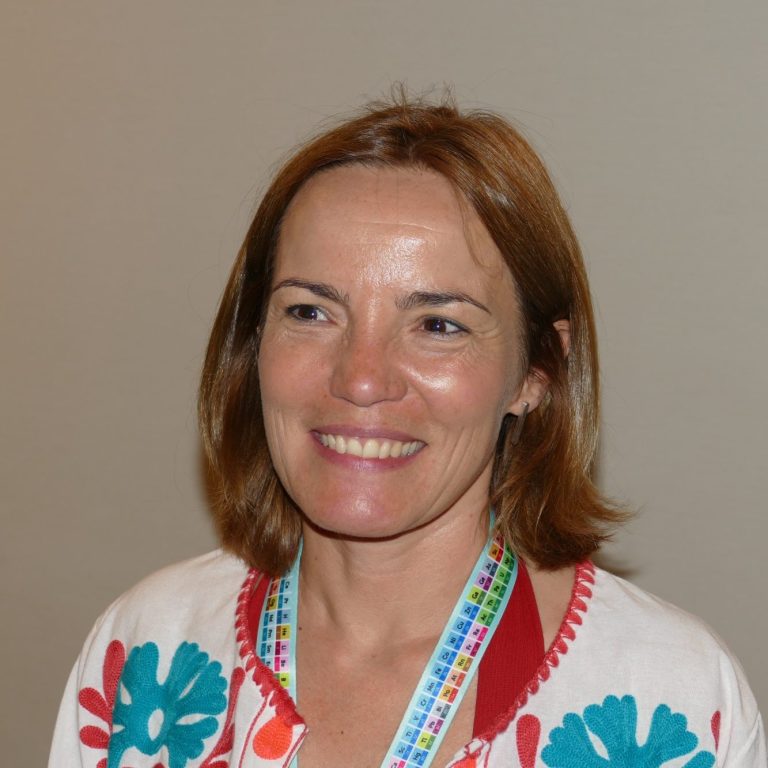
Ana Rita C. Duarte
Nova School of Science and Technology
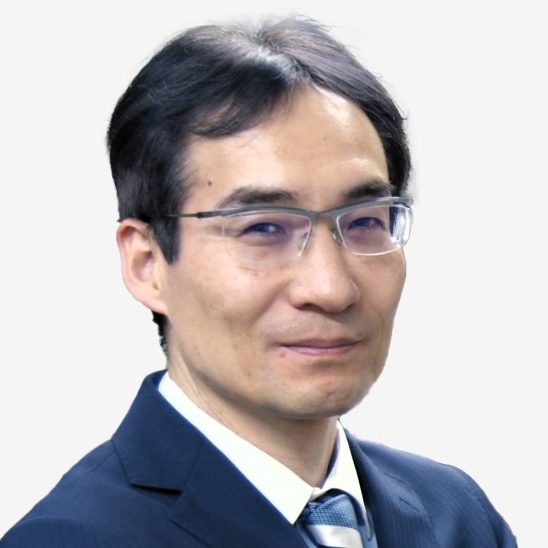
Toshiyuki Nohira
Kyoto University
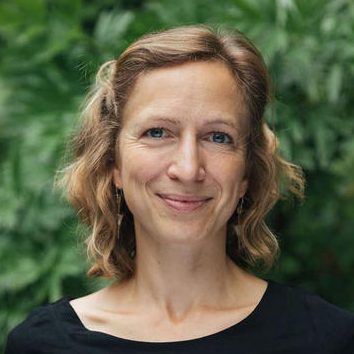
Susan Perkin
University of Oxford
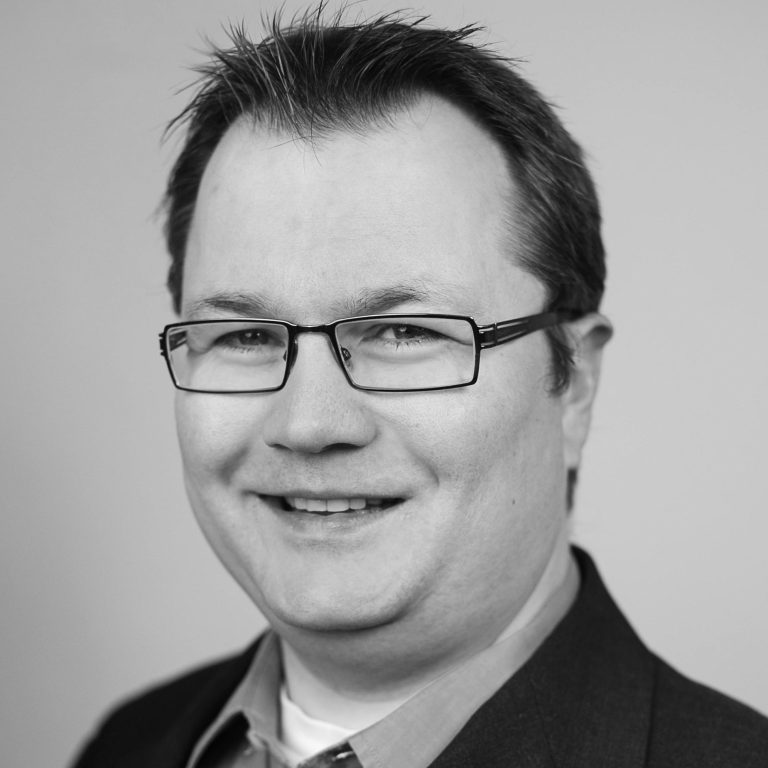
Christian Schröder
University of Vienna
Dihua Wang
Wuhan University
Jason Hallett
Imperial College London
(Gala Dinner Speaker)
Keynote Speakers
Santiago Aparicio
University of Burgos

Mega Kar
Deakin University
Mathieu Salanne
Sorbonne University
Karina Shimizu
Universidade de Lisboa
Kai Jiang
Huazhong University of Science and Technology
Invited Speakers
Inge Schlapp-Hackl
Aalto University
Matthew Wright
Newcastle University
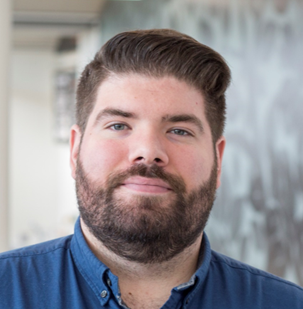
Anthony Fitzpatrick
Nottingham Trent University
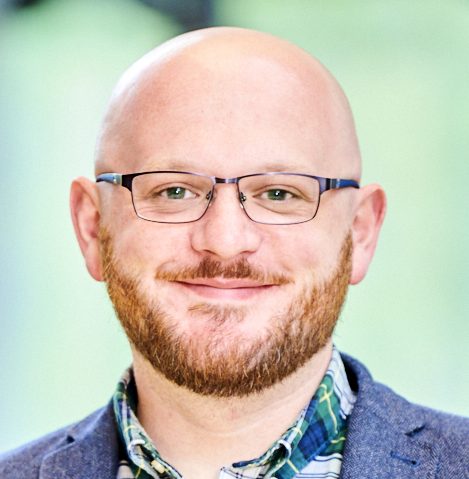
Greg Mutch
Newcastle University
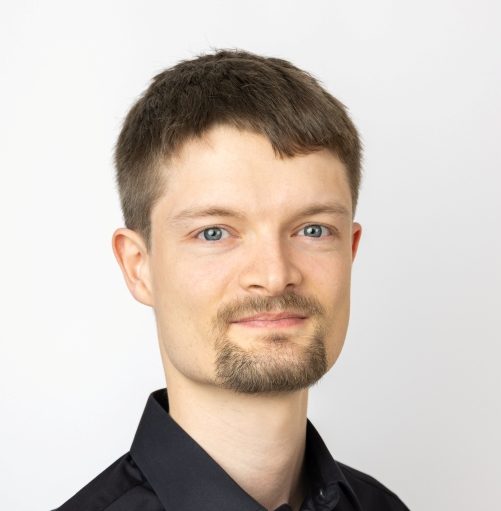
Frederik Philippi
Ecole Normale Supérieure de Lyon
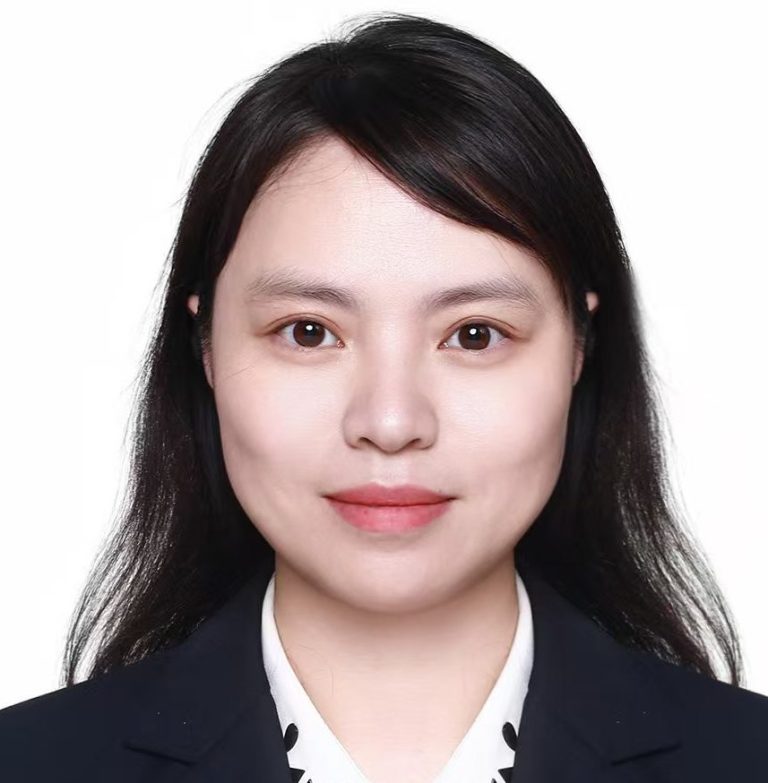
Miao Shen
Shanghai Institute of Applied Physics
Ana Rita C. Duarte
Ana Rita C. Duarte was born in Lisbon in 1978. Currently Associate Professor with habillitation at the Chemistry Department from Nova School of Science and Technology. She was previsously Research Assistant at the 3B’s research group at Universidade do Minho, where she worked for 10 years. She graduated in Chemical Engineering by Faculdade de Ciências e Tecnologia, Universidade Nova de Lisboa in 2002 and completed her PhD on Exploring supercritical fluid technology for the preparation of controlled drug delivery systems in 2006 by the same University. In 2006/2007 she was a researcher at Techniche Universiteit Delft, The Netherlands.
The International Society for Advancement of Supercritical Fluids granted her thesis the Best Thesis Award in 2007. She has been the PI and/or co-PI of 7 Projects funded by Fundação para a Ciência e Tecnologia. In 2016 she was awarded an ERC consolidator grant entitled: DES.solve – When Solids Become Liquids: Natural Deep Eutectic solvents for Chemical Process Engineering, to proceed the developments on green technologies. In 2022 she was awarded an ERC Proof of Concept grant to pursue one of the technologies developed withing DES Solve, CryoDES and in 2023 she was awarded a second ERC PoC Grant to develop ImproVITA. At the moment she is supervising and/or co-supervising 6 Master thesis, 12 PhD Students and leading a team of nearly 20 researchers. In 2018, co-founded Des Solutio, a spin-off company from FCT-NOVA which aims to develop safer and greener alternatives to the chemicals that are usually used in the production of beauty, pharmaceutical, personal care and other products.
At the moment, she has 220 papers listed in scopus with more than 10700 citations, and an h-index of 54. Her main research interests are the use of green technologies mainly the exploitation of natural deep eutectic solvents for pharmaceutical and biotechnological applications.
Toshiyuki Nohira
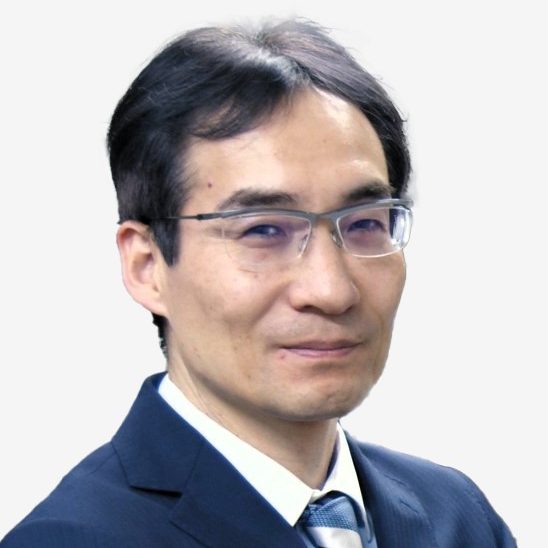
Toshiyuki Nohira is a Director in the Integrated Research Center for Carbon Negative Energy Science of the Institute of Advanced Energy at Kyoto University. He has been a Professor in the Institute of Advanced Energy at Kyoto University since 2015. He was an Associate Professor during 2007-2014 and an Assistant Professor during 1998-2006 in the Graduate School of Energy Science at Kyoto University. He was a Visiting Scientist in the Department of Materials Science and Engineering at Massachusetts Institute of Technology in 2007. He received the degree of Doctor of Engineering from Kyoto University in 1998 under supervision by Professor Yasuhiko Ito.
Professor Nohira’s research has focused on electrochemical energy conversion and electrochemical material production utilizing molten salt and ionic liquid electrolytes. He has been conducting research on a novel manufacturing method for silicon used in solar cells utilizing molten salt electrolysis, as well as novel electro-plating methods for silicon, titanium, and tungsten from molten salts. He has also been working on the development of new sodium-ion batteries and potassium-ion batteries using ionic liquids as electrolytes. Recently, he has started working on the electrolytic reduction of carbon dioxide in molten salts and the production of hydrogen through water electrolysis in hydrate melts.
He published over 260 peer reviewed papers, 16 books and over 60 patents in the field of electrochemistry and inorganic chemistry. He received Scientific Achievement Award of The Electrochemical Society of Japan in 2020. He was awarded Molten Salt Prize from the Molten Salt Committee of the Electrochemical Society of Japan in 2019. He was also awarded The Young Scientists’ Prize, The Commendation for Science and Technology by the Minister of Education, Culture, Sports, Science and Technology of Japan in 2009.
Susan Perkin
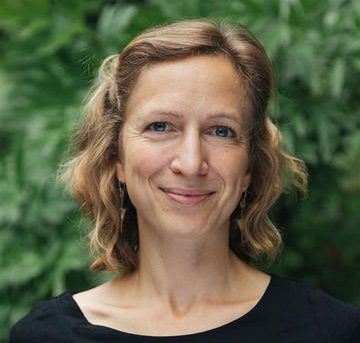
Susan Perkin is Professor of Physical Chemistry and Fellow of Trinity College at the University of Oxford. She works on fluids at interfaces and in confined geometry, in particular electrolytes and ionic liquids. Her research team has expertise in direct measurement of the interaction force between particles or surfaces immersed in fluid media using a surface force balance, which are used to determine structural, mechanical, dynamic and optical properties of the confined fluid. She has been awarded the Philip Leverhulme Prize and the Blavatnik Prize in Chemistry.
Christian Schröder
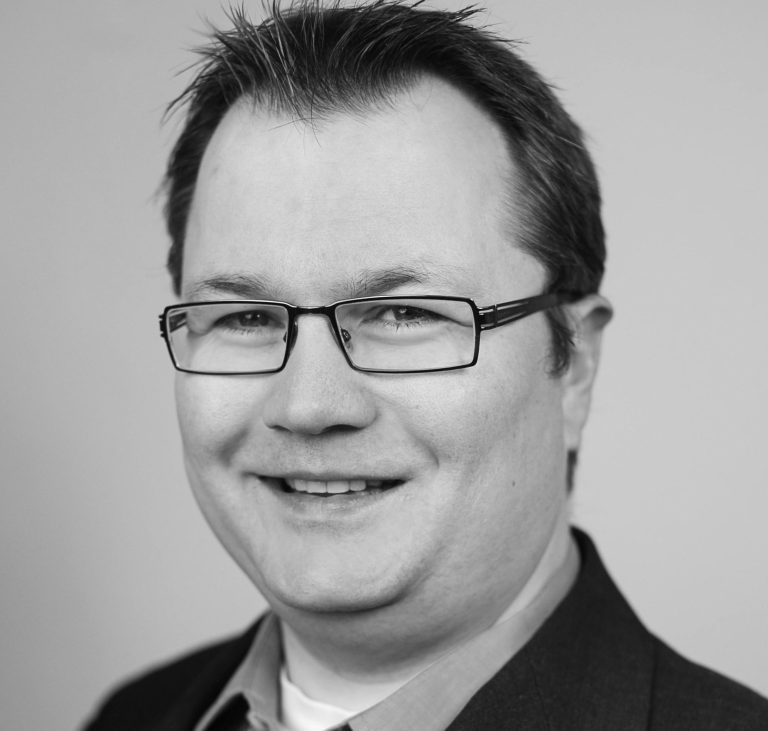
Christian Schröder is Full Professor at the Institute of Computational Biological Chemistry at the University of Vienna. His research focuses on a molecular-level understanding of soft matter and ionic systems using polarizable and reactive molecular dynamics simulations. A central theme of his work is the study of ionic liquids, where he investigates solvation phenomena and charge-transport mechanisms employing computational spectroscopy, spanning techniques from NMR to dielectric and infrared spectroscopy.
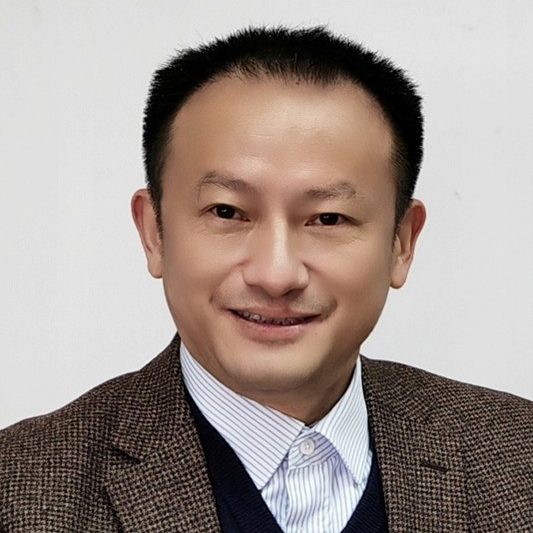
Dihua Wang
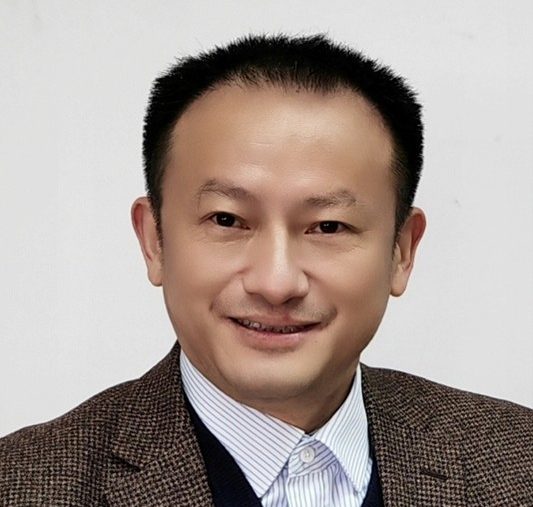
Dr. Dihua Wang is currently a Hongyi Distinguished Professor at Wuhan University, China. He earned his Bachelor's degree at 1991 and Master's degree at 1994 in Environmental Chemistry, and his Ph.D. at 1998 in Electrochemistry from Wuhan University. He conducted visiting research at the University of Nottingham in the UK 2024 with Prof. George Z Chen in 2004 and the Massachusetts Institute of Technology in the USA with Prof. Donald R Sadoway during 2006 to 2009.
His research focuses on the fundamental and applications of high temperature electrochemical technologies in molten salts for carbon neutrality and resource sustainability, including low-carbon electrochemical metallurgy, carbon dioxide capture and utilization, resource recycling from spent energy devices, and electrode materials for industrial electrolysis.
He has published over 400 peer-reviewed papers and has been granted more than 50 invention patents, some of them have been transferred to industry. He has been awarded the National Science Fund for Distinguished Young Scholars and received several important awards.
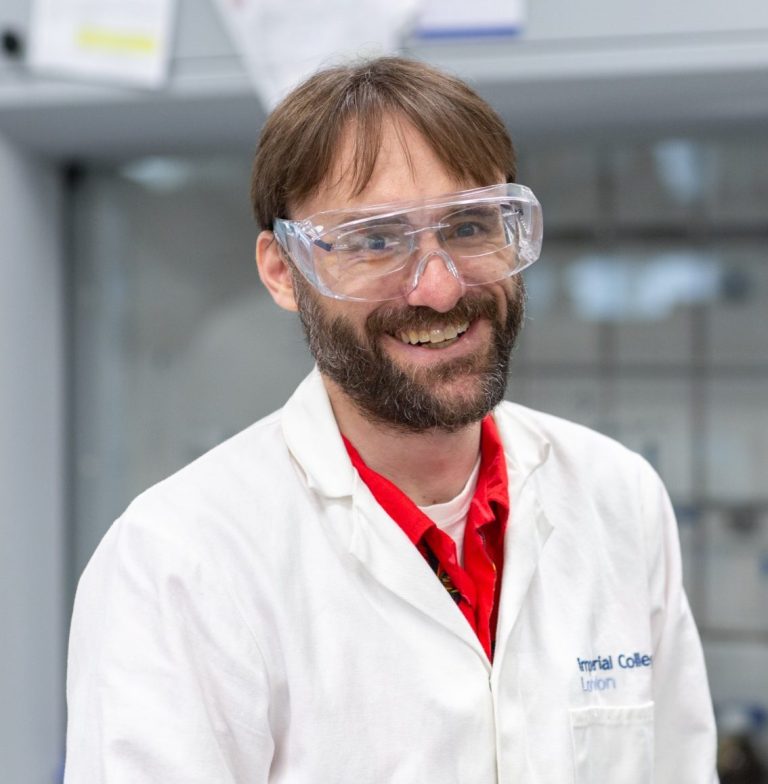
Jason Hallett
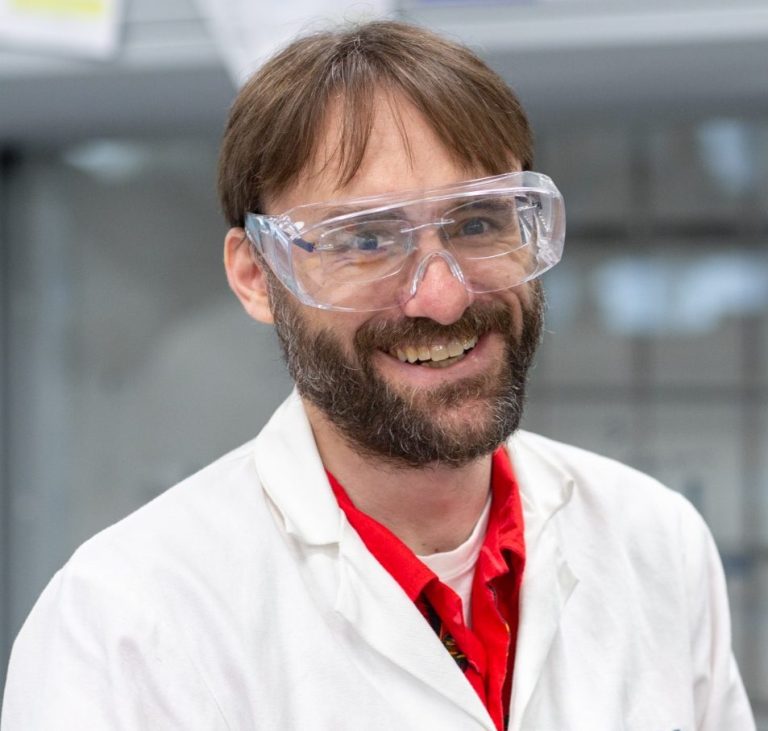
Jason Hallett is Professor of Sustainable Chemical Technology and holds a Royal Academy of Engineering Chair in Emerging Technologies within the Department of Chemical Engineering at Imperial College London. He also serves as co-Director of the UK’s National Supergen Bioenergy Impact Hub. He obtained his undergraduate degree (BS, 1998) from the University of Maine and PhD from the Georgia Institute of Technology (2002). After a postdoc at Georgia Tech he obtained a Marshall-Sherfield Postdoctoral Fellowship to join the Department of Chemistry at Imperial College in 2006 and was later a Research Lecturer until 2014.
He has authored or co-authored ~250 total publications and 15 patents, garnering >40,000 citations with an h-index of 67, including the most highly cited papers in his two primary fields – ionic liquids and biorefining. His research and translation efforts have been recognized with prizes from the Royal Society (Mullard Medal and Translation Award), Royal Academy of Engineering (Princess Royal Silver Medal), Royal Society of Chemistry (Open Prize: Environment) and IChemE (Global Sustainability Award and Global Team Award) and has been profiled by many scientific magazines and journals, including the Washington Post, Scientific American, Chemical & Engineering News, The Chemical Engineer, Chemistry World and Science.
His research in biorefining, sustainable manufacturing and the circular economy has led to 11 spin-out companies to act as vehicles for the translation of his research into practice. His first spin-out company (Lixea) built a pilot plant which he designed and which was constructed in Sweden, commissioned and operated since 2022. Lixea recently announced a €60m demonstration plant to be constructed in 2027. Jason currently leads a group of 22 PhDs and 13 PDRAs alongside 30 researchers in spin-out companies to ensure their efforts are translated into academic, scientific and commercial impact on society.
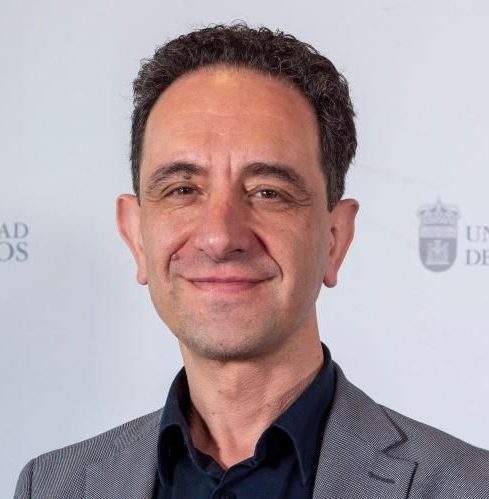
Santiago Aparicio
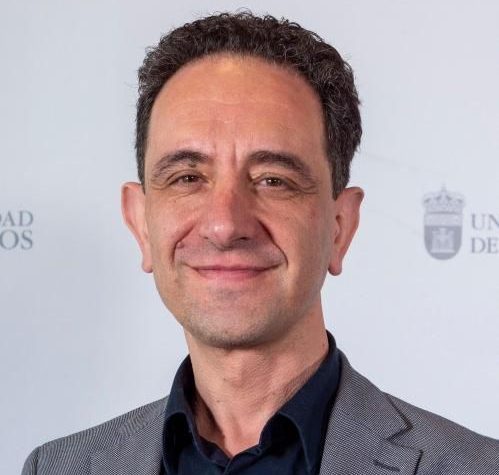
Santiago Aparicio is Full Professor of Physical and Theoretical Chemistry at the University of Burgos (Spain), where he leads a multidisciplinary research group at the forefront of molecular thermodynamics, green solvents, and advanced functional materials through integrated experimental, computational, and data-driven approaches.
With over 350 publications in high-impact international journals, Prof. Aparicio has established an internationally recognized career in ionic liquids, molten salts, deep eutectic solvents, and hybrid nanomaterial systems. His research uniquely integrates thermophysical characterization, spectroscopy, molecular dynamics, quantum chemistry, and machine learning to elucidate structure–property relationships across all scales—from molecular to continuum.
Prof. Aparicio has coordinated and contributed to more than 20 European projects, including multiple Horizon Europe initiatives addressing water treatment, CO₂ capture, circular chemistry, and industrial sustainability. His current work pioneers the integration of multiscale modeling, in silico ecotoxicology, and artificial intelligence under Safe-and-Sustainable-by-Design (SSbD) principles, enabling early-stage prediction of material performance, stability, and environmental impact.
He serves on the editorial boards of Molecules, Discovery Green Chemistry, and Industrial Chemistry & Materials, and is committed to bridging fundamental molecular and materials science with practical solutions for a sustainable chemical industry.
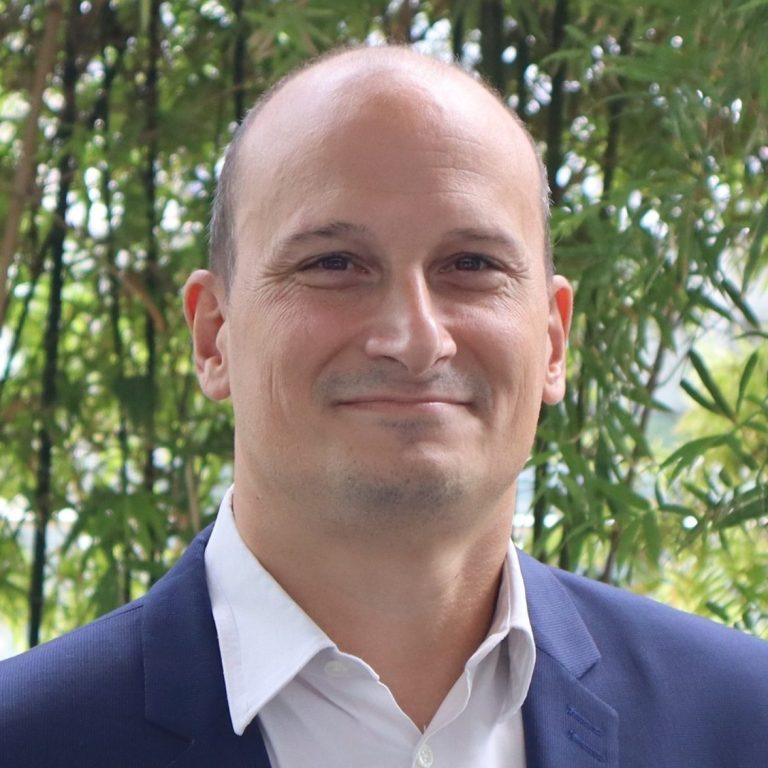
Mathieu Salanne
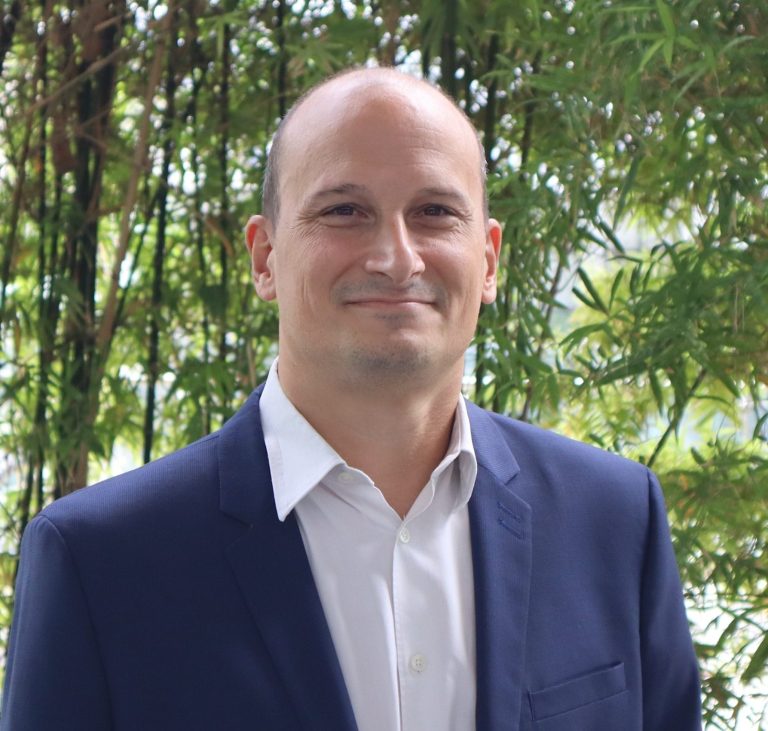
Mathieu Salanne is professor of chemistry at Sorbonne University and visiting professor at CNRS@CREATE (Singapore). His research focuses on the simulation of the electrochemical systems at the molecular scale. To this end, his team has developed the molecular dynamics software MetalWalls, which is used for the study of supercapacitors, batteries and electrocatalytic devices. He currently serves as an executive editor for ACS Nano.
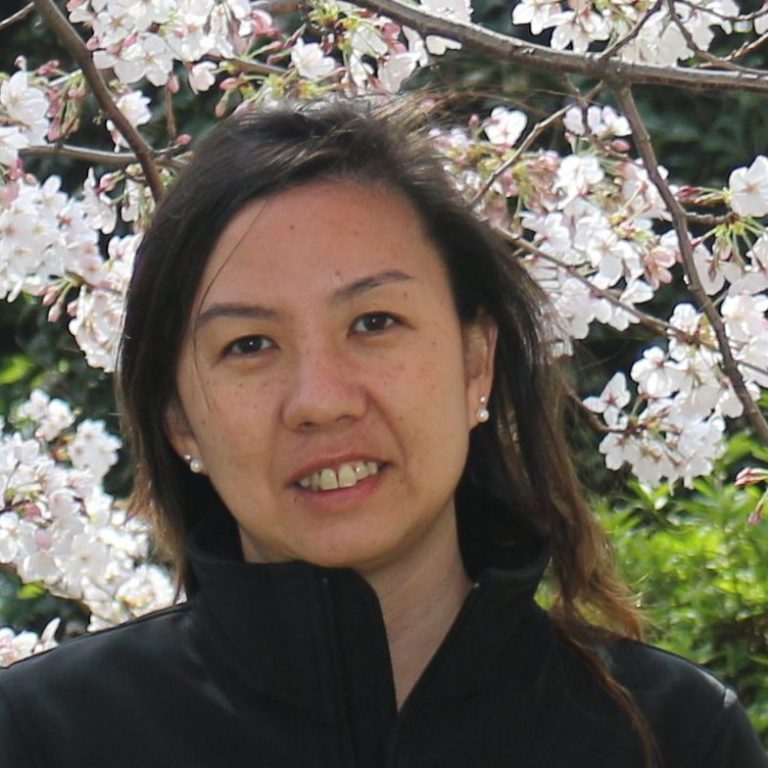
Karina Shimizu
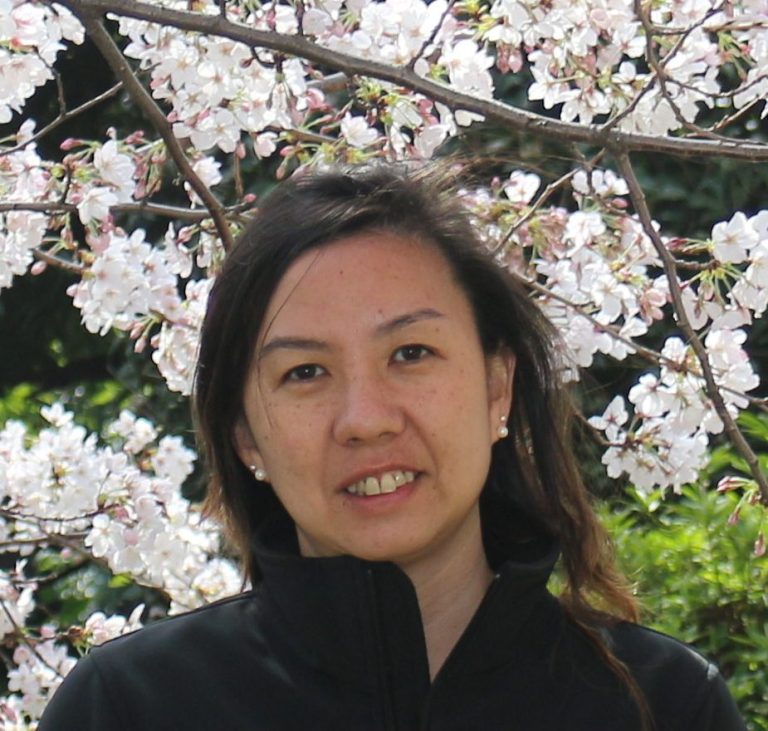
Karina Shimizu is an Assistant Professor at Instituto Superior Técnico, University of Lisbon. Her research uses molecular dynamics simulations to understand the structure, dynamics and transport properties of ionic liquids and related electrolytes. She is particularly interested in how molecular-level interactions govern macroscopic behaviour, with applications ranging from energy storage and electrochemical systems to CO₂ capture and sustainable chemical processes. Her work aims to bridge fundamental insight and practical relevance in the design of advanced ionic materials.
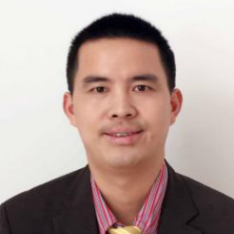
Kai Jiang
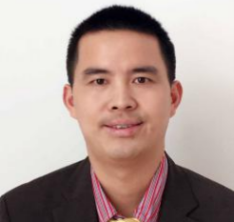
Dr. Kai Jiang is a Chair Professor in Huazhong University of Science and Technology (HUST) and a Fellow of the Royal Society of Chemistry (FRSC). He received his BS and PhD degrees from Wuhan University in 1999 and 2006. He completed post-doctor research in Auburn University and MIT from 2007 to 2012.
Prof. Jiang’s research interests lie in the field of advanced materials and technologies for large-scale energy storage applications, such as low cost and long lifespan liquid metal batteries, sodium ion batteries and other electrochemical energy storage technologies.
He has published more than 200 peer reviewed papers in journals such as Nature, Chem. Rev. and Energ. Environ. Sci., and authored over 70 patents. He is the PI for several national key projects of the Ministry of Science and Technology and the Natural Science Foundation of China. He has been the head of several departments and research institutes in HUST.

Mega Kar
Dr. Mega Kar completed her PhD at Monash University between 2012 and 2015. Following her doctoral training, she was awarded an Alfred Deakin Research Fellowship at Deakin University (2021–2023), where her research focused on the development of novel, low-cost, and safe materials for energy storage devices. More recently, she received an Australian Research Council (ARC) DECRA Fellowship to explore new materials for advanced sodium-based battery technologies.
Dr Kar has established successful collaborations with global industry partners, including Toyota and, more recently, Petronas. She is also a co-author of the textbook Fundamentals of Ionic Liquid Science – From Chemistry to Applications (2017). Her research interests centre on the design of innovative ionic liquid and solid-state electrolytes for rechargeable lithium, sodium, magnesium, and zinc batteries.
Inge Schlapp-Hackl
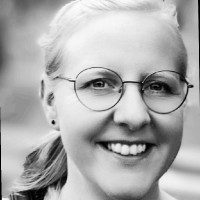
Inge Schlapp-Hackl is a staff scientist (PostDoc) at Aalto University's Department of Bioproducts and Biosystems in Finland. She graduated in 2018 from the University of Innsbruck's Institute of General, Inorganic, and Theoretical Chemistry, with a focus on inorganic chemistry. After graduating, she moved to Finland, working initially with Prof. Herbert Sixta, then under Prof. Michael Hummel as a postdoctoral researcher, and currently as a staff scientist in textile chemistry.
Her main roles include designing and recycling textile fibers for various applications, producing continuous cellulose filaments for composite uses, developing cellulose films (Ionphane), and analyzing material properties.
Matthew Wright
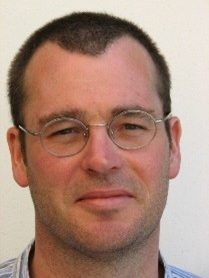
Prof Matthew Wright has over 35 years research experience with liver-related drug /chemical metabolism and toxicity. He was the first to demonstrate that stimulating liver myofibroblast apoptosis reversed fibrosis; developed a human single chain antibody to target these cells (licensed to Pharma) and demonstrated an anti-fibrogenic, and anti-inflammatory role for the PXR in the liver. More recent research focussed on in vitro systems to model toxicity in the liver and the potential role of environmental xenobiotics as triggers for the chronic liver disease primary biliary cholangitis (PBC).
He has published in excess of 300 full research papers and scientific opinions; was an expert for the European Food Safety Authority (EFSA) ANS and FAF Panels (2011- 2024) and Chair for the Working Group pertaining to Article 8 – rapid response opinions on member state/EC concerns).
He retired in 2024 and is currently Emeritus Professor of Toxicology at Newcastle University. He is the Editor in Chief for the journal Food and Chemical Toxicology, is an expert member on a variety of EFSA and Committee on Toxicity (UK) working groups and is also a member of the UK Expert Committee on Pesticides (ECP).
Anthony Fitzpatrick
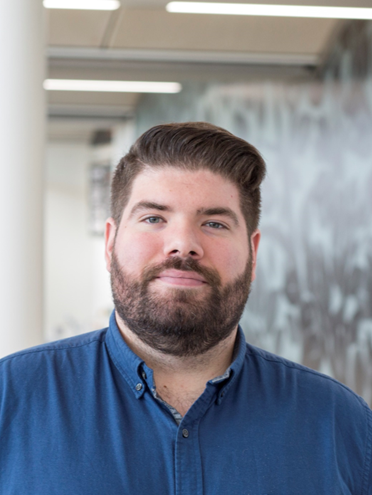
Anthony Fitzpatrick completed his BSc and PhD in University College Dublin (UCD). His PhD included work on magnetically switchable ionic liquids. He finished his PhD in 2015 and was awarded the BOC gases Thesis award and the Royal Irish Academy Young Chemist award. He stayed at UCD as a PDRA until the end of 2016 before joining Nottingham Trent University as a lecturer in January 2017 teaching inorganic chemistry to undergraduate and postgraduate students until August 2020. He then took up a post as lecturer of inorganic chemistry at Sheffield Hallam University in September 2020 before returning to NTU as a senior lecturer in forensic chemistry in 2021.
Anthony’s research focuses on using ionic liquids to develop new solutions to forensic science issues in the areas or drug detection, security materials, explosive remediation, and trace evidence collection. He works closely with local law enforcement agencies and charities to gather chemical intelligence for use in harm reduction across the midlands. He has several international collaborations working on ionic liquids tackling different aspects of drug detection.
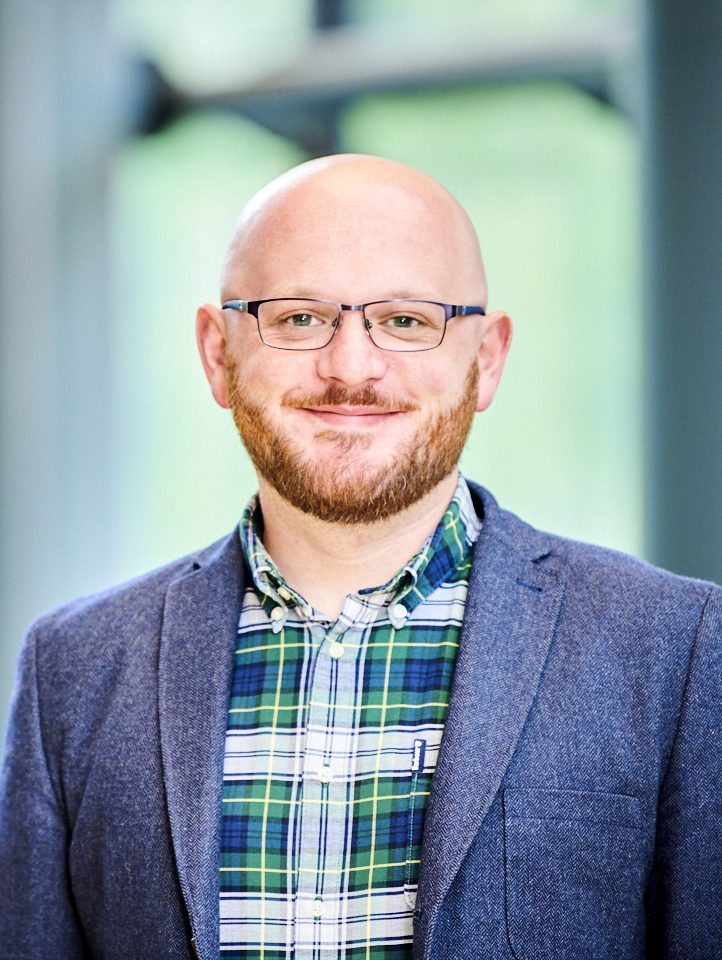
Greg Mutch
Dr Greg A. Mutch obtained an MChem in Chemistry and a PhD in Chemical Engineering from the University of Aberdeen before joining Newcastle University in 2016 as an EPSRC Doctoral Prize Fellow. He was subsequently awarded a Newcastle University Academic Track Fellowship in 2019 and a Royal Academy of Engineering Research Fellowship in 2020. He has since taken on senior research leadership roles, including Work Package Lead in the £7M EPSRC Programme Grant SynHiSel, Co-Investigator in the £2M EPSRC Standard Grant Design, Program, Evolve, and Research Lead in the £9M EPSRC Centre for Doctoral Training Process Industries: Net Zero. In 2025, he received the IChemE Warner Medal in recognition of an outstanding academic track record and exceptional contributions to outreach.
He works on gas separations (membrane and sorbent technologies), in-situ spectroscopic and tomographic characterisation, and process development. He has published in leading journals including Nature Energy, Energy & Environmental Science, and JACS, and engages widely through media commentary, public communication, and consultancy with industrial and governmental organisations.
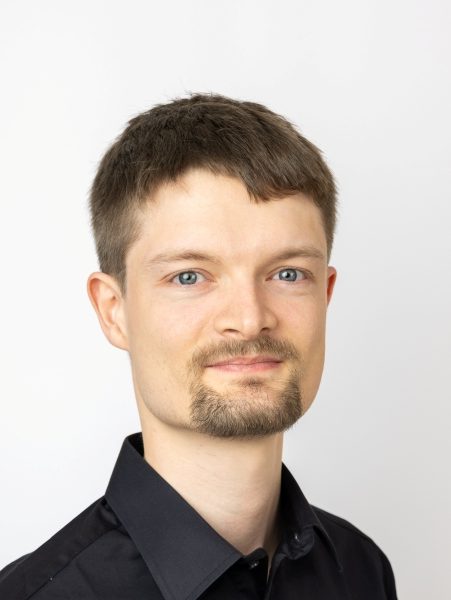
Frederik Philippi
Frederik Philippi is a Marie Skłodowska-Curie Fellow at the Ecole Normale Supérieure de Lyon. His current focus is the design of porous ionic liquids for sustainable energy applications. A recurring theme of his research is the combination of experimental and computational approaches to understand the physical chemistry of ionic liquids.
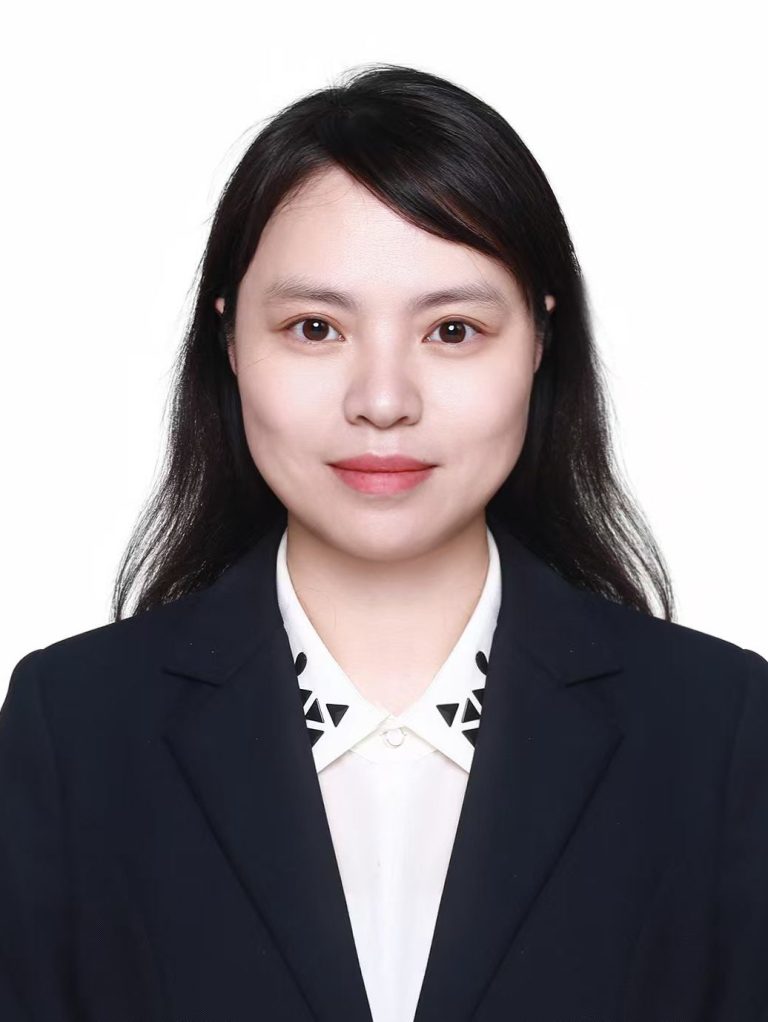
Miao Shen
Dr. Miao Shen is a Professor of the Molten Salt Chemistry Research Group at the Thorium‑based Nuclear Fission Energy Key Laboratory, Shanghai Institute of Applied Physics, Chinese Academy of Sciences. She received her BS and PhD degrees from East China University of Science and Technology in 2007 and 2012. Her research focuses on molten salt chemistry and engineering issues in the design, construction, and operation of fourth‑generation Thorium‑based Molten Salt Reactors (TMSR). She systematically investigates the interactions between cations and anions in molten fluorides, elucidates the mechanisms by which trace water and oxygen interact with various impurities, nuclear fuels, and structural materials, and reveals how the Lewis acidity/basicity of molten salts governs their macroscopic physicochemical properties. Her work aims to build an atomic‑level understanding of the intrinsic relationship between the microstructure and physicochemical characteristics of molten fluorides.